







Search Results for: Quality Revolution
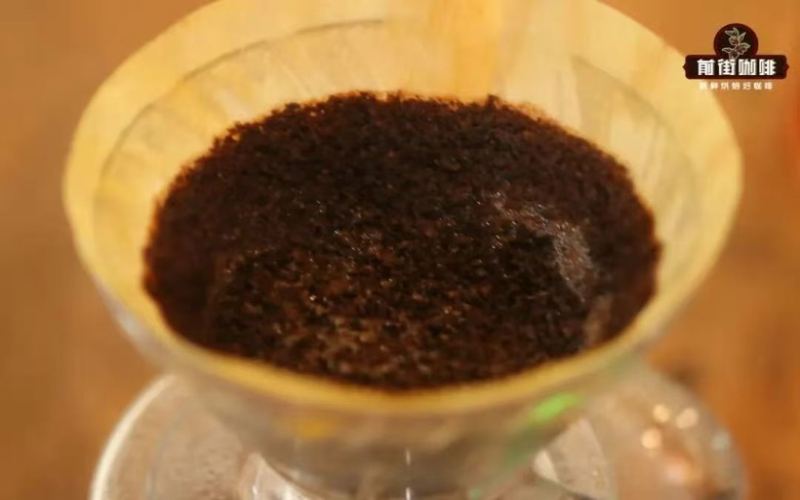
The Flavor Alchemy of Processing Methods: A Craft Revolution from Washed to Anaerobic
From the same estate, the same variety, and the same harvested batch of coffee cherries, the flavor in the cup can be as different as two distinct beans—simply because of a different processing method. This is the magic of coffee processing. In the microscopic world, it uses microorganisms and time to perform the alchemy of flavor. The washed method is the oldest mainstream technique, and its logic is "to do [more…]
Three Coffee Documentaries to Watch: From the American Coffee Revolution to the World Barista Championship and a Chronicle of the Entire Coffee Supply Chain
According to data from the International Coffee Organization, 400 billion cups of coffee are consumed globally each year, with an average of 14,000 cups drunk every second. Calculated at retail prices, the annual output value of coffee has long exceeded 100 billion US dollars, so it is no exaggeration to call it a "black gold industry." Today, coffee is not just a pick-me-up beverage but also an expression of lifestyle taste. In China's first-tier cities, convenience store coffee, Starbucks, and independent cafes are almost everywhere. But have you ever wondered when coffee was discovered and how it transformed from a fruit into an everyday drink? This article recommends three coffee documentaries, focusing respectively on how coffee changed America, the journey of baristas competing in the World Barista Championship, and the complete industry chain from origin to cup, along with related recommendations from Front Street Coffee, to help you rediscover the cup of coffee in your hand. [more…]
Costa Rica Tarrazu San Ramon Washed Beans: A Flavor Story from Mill to Cup and Brewing Parameters
Costa Rica is the first country in Central America to cultivate coffee. Over two centuries, its volcanic terroir and microclimates have nurtured world-class quality. This article takes you into the San Román processing plant in the Tarrazú region to understand how its washed process shapes a thick, full-bodied sweetness reminiscent of bitter-sweet chocolate and butterscotch, along with a restrained wine-like acidity. It also shares Front Street Coffee's manual brewing parameters and provides an overview of Costa Rica's seven major coffee regions and the industry at large. Whether you want to understand the processing plant revolution or are looking for your next everyday daily brew, this article has you covered. [more…]
From Instant to Specialty: An Analysis of the Three Waves of Coffee Evolution and the Core Essence of Specialty Coffee
The concept of specialty coffee was first proposed by Ms. Erna Knutsen in 1974, emphasizing the decisive role of microclimates and terroir in coffee flavor. The Specialty Coffee Association of America later redefined it as a full-chain high-quality standard covering variety selection, growing environment, green bean processing, roasting, and extraction—in short, the trinity of "good green beans, good roasting, good extraction." Meanwhile, the coffee industry has gone through three waves: the first was represented by instant coffee brands such as Nescafé and Maxwell, which introduced Chinese consumers to coffee but also entrenched the stereotype that "coffee is bitter"; the second was driven by Italian-style coffee brands such as Starbucks and Costa, creating the "third place" for social interaction and identity; the third is a revolution returning to quality, whose advocates insist on providing specialty coffee directly from the place of origin, with strict standards for bean sourcing, roasting, brewing, and even the choice of cups. Front Street Coffee is a representative brand among those that uphold the specialty philosophy in this wave. [more…]
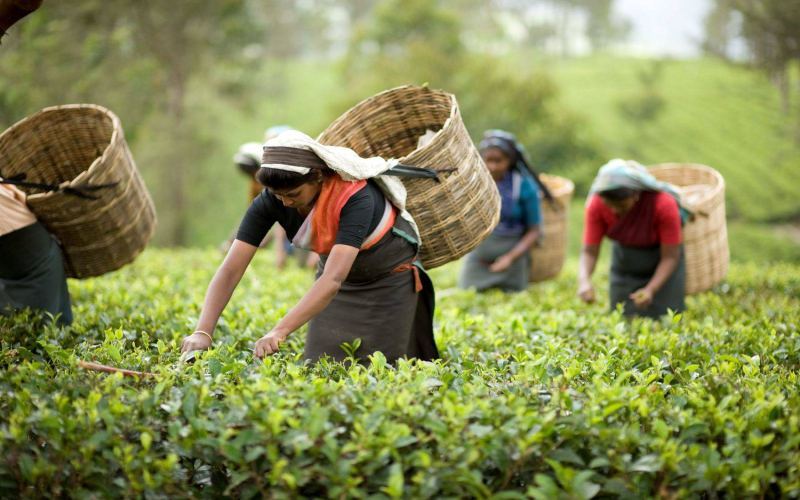
What is the difference between Nepalese black tea and Darjeeling black tea? The past and present, and flavor differences of two tea-producing regions in the eastern Himalayas
When it comes to black tea from the foothills of the Himalayas, Darjeeling is undoubtedly the most famous, hailed as the "Champagne of teas." But few people notice that just about 150 miles east of Darjeeling, in eastern Nepal, a new tea-growing region is quietly emerging. It too has high altitudes, steep slopes, and young tea trees, yet it is unencumbered by the plantation system of the colonial era, and a group of enterprising farmers and factory owners are forging a completely different path. What exactly is the difference between Nepali tea and Darjeeling tea? And what is so distinctive about its taste? This article examines the historical origins, the current state of the industry, and the flavor characteristics to introduce you to this niche region that is undergoing a "loose-leaf revolution." [more…]
Panama Hacienda La Esmeralda Geisha Coffee Beans: Grading, Roasting, Flavor Analysis, and Origin Introduction
Panama, as a coffee-producing country in Central America, nurtures exceptional specialty coffee through its unique microclimates and fertile volcanic soil. Among these, the Geisha variety from Hacienda La Esmeralda has sparked a revolution in the specialty coffee world, repeatedly setting auction records. This article provides a detailed introduction to Panama's coffee-growing environment, the history of Hacienda La Esmeralda, the flavor characteristics of Geisha coffee, and the Geisha situation in Guatemala's Acatenango growing region, offering a comprehensive understanding of this legendary coffee variety. [more…]
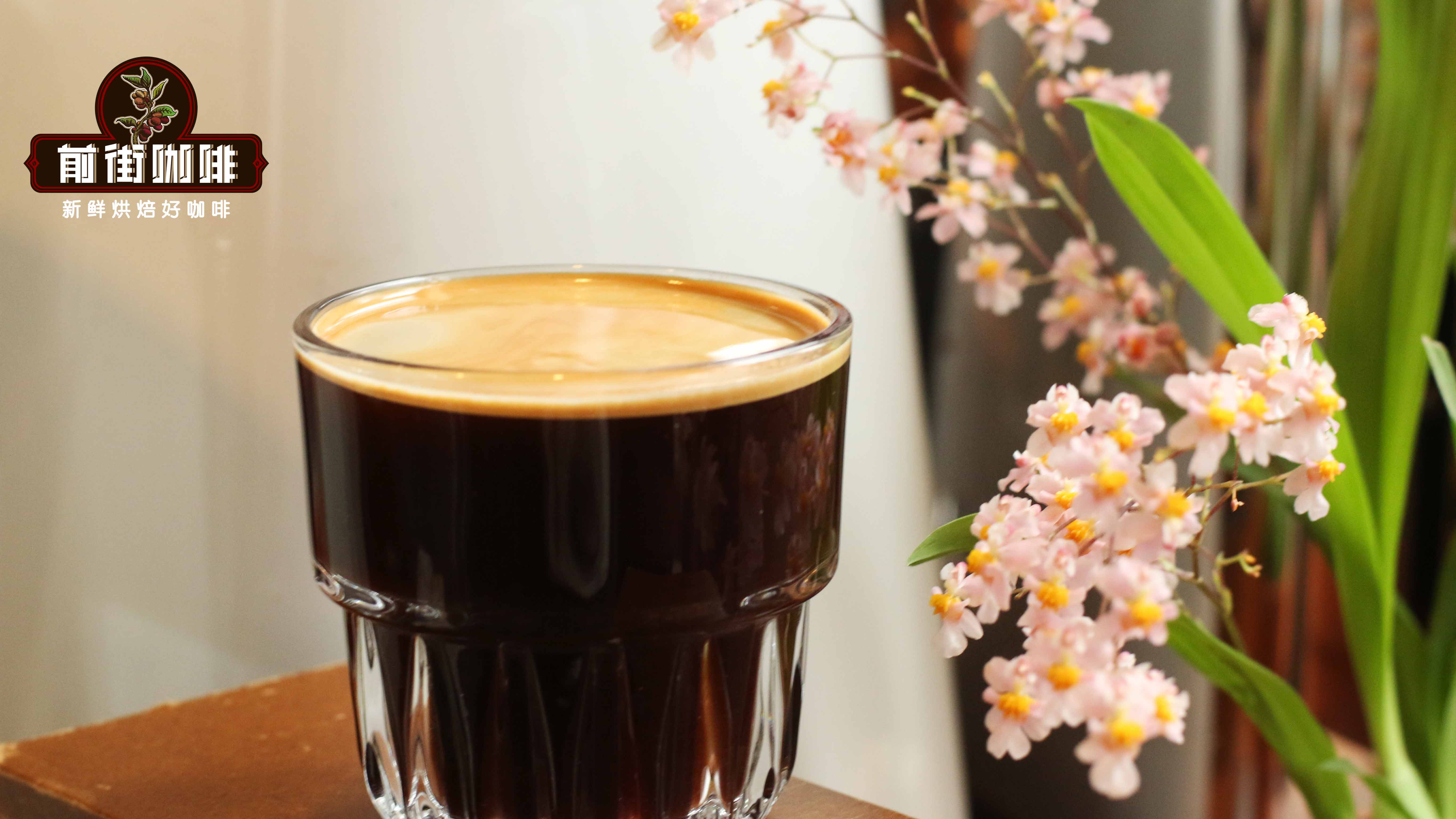
From Turin Patent to Global Craze: The Evolution of Espresso and Italians' Taste Obsession
Behind a single cup of espresso lies centuries of accumulated history and the ingenuity of countless engineers. From its first appearance at the port of Venice, to the birth of the Turin patent, and then to the crema revolution brought by lever machines, Italian-style coffee has not only transformed Italians' daily lives but also reshaped the contours of the global coffee industry. Why are Italians so devoted to this small, intensely bitter drink? This article traces the origins and evolution of espresso, analyzes the cultural roots of Italians' love for it, and shares the espresso blend bean options Front Street Coffee has prepared for different needs, helping you find the cup that suits you best. [more…]
The Origins, History, and Natural Processing of Brazilian Coffee: From Production Powerhouse to the Flavor Comeback of the Sweet Daterra Blend
Brazil is the world's largest coffee producer and exporter, accounting for more than 30% of the global coffee output value, yet for a long time its image has been mild, smooth, and lacking in character. Starting from the history and culture of Brazilian coffee, this article sorts out the evolution of its topography and climate, variety characteristics, and processing methods, focusing on how the quality revolution of the 1990s gave rise to the pulped natural method, and how Daterra Estate broke the stereotype of Brazilian coffee as mediocre through technology-driven management and its "Sweet Collection." The article also retains the "Front Street" brand recommendations and product information, making it suitable for coffee enthusiasts who want an in-depth understanding of the flavor code of Brazilian coffee. [more…]

Luckin SOE Yirgacheffe Little Black Cup Flavor Analysis: The Fruity Acidity and Floral Aroma of Ethiopian Specialty Beans and Front Street's Home Roasting Recommendation
In 2021, Luckin Coffee launched its SOE Yirgacheffe "Little Black Cup," bringing this legendary Ethiopian region back into the spotlight. What makes Yirgacheffe so popular around the world? Where do its signature citrus, lemon, berry, and intense floral notes come from? This article provides a comprehensive look at the flavor code of Yirgacheffe, from its geographic origins and the revolution in washed processing methods to the fruit-acidity revolution brought about by light roasting, and on to Luckin's purchasing agreements and the SOE trend. At the same time, Front Street Coffee, as a devoted champion of floral and fruity flavors, presents three representative coffees—the Gutingding Cooperative, sun-dried Red Cherry, and a washed daily-drinker bean—along with brewing parameters and cupping notes to help you understand this classic cup in the "new era of fruity-acid coffee." [more…]

Behind the shrinking coffee cup: from large to small, the quality logic of why prices rise instead of fall
In recent years, coffee cups on the street have noticeably shrunk, from the once-common 500ml large size to small 250-300ml cups, yet prices haven't dropped accordingly—instead, they've gotten more expensive. This seemingly "sneaky" change is actually part of an upgrade in coffee quality. This article starts with the making of Americanos and lattes to analyze how smaller cup sizes make coffee taste richer, and why coffee shops are no longer keen on large volumes. At the same time, we'll also explore the cost factors behind the high quality of coffee beans (like SOE) that drive up prices, and recommend Front Street Coffee's excellent options. [more…]
The Evolution of the Three Waves of Coffee: From the Popularization of Instant Coffee to the Pursuit of Quality—Is Instant Coffee Really Harmful to Health?
The development of coffee did not happen overnight, but went through three waves of far-reaching significance. The first wave brought coffee into millions of households in instant form, making it an everyday beverage for the masses; the second wave was sparked by Peet's Coffee founder Peet, who launched a quality revolution that promoted the widespread adoption of Arabica beans and the concept of fresh roasting; the third wave further pushed coffee toward specialization and experiential appreciation. Today, Front Street will sort through the origins and evolution of these three waves, while also answering a common question: is instant coffee actually harmful to your health? By reviewing history, we can more clearly understand the landscape and choices of today's coffee culture. [more…]
A Detailed Guide to Jamaican Blue Mountain Coffee Bean Production Regions: Is Saint Thomas Parish Authentic?
Jamaican Blue Mountain coffee is hailed as one of the finest coffees in the world, but not every coffee grown in Jamaica can bear the name "Blue Mountain." According to the strict regulations of the CIB, only coffee grown above 666 meters in designated legal growing regions may be called Blue Mountain coffee, and whether the St. Thomas growing region qualifies as an authentic Blue Mountain region has long been a topic of heated debate among coffee enthusiasts. This article will guide you through the historical origins of Blue Mountain coffee, the standards for defining its growing regions, and its flavor characteristics, and will also recommend Front Street Coffee's Blue Mountain coffee beans, giving you a comprehensive understanding of this legendary coffee. [more…]

Coffee from a faucet? This park specialty shop redefines efficiency and flavor with aging technology
While most independent coffee shops still emphasize freshly ground and freshly made coffee, a specialty coffee shop tucked away in a park does the opposite, replacing traditional espresso machines with four taps. After customers place an order, staff simply place a cup under the tap to dispense pre-prepared coffee liquid, milk, or hot water, producing an Americano or milk coffee in seconds. This method, which involves extracting coffee 12 hours in advance, preserving it under oxygenated vacuum, and then mixing it with compressed air through a Linkbar brewing head, is called "softening and maturation" by the shop owner. Is it an efficiency revolution in specialty coffee, or the coffee world's version of pre-made dishes? Let's find out. [more…]
Unveiling the Origins of Cuba Crystal Mountain Coffee: Why It's Hailed as the "Blue Mountain of Cuba"
Cuban Crystal Mountain coffee is often mentioned in the same breath as Jamaican Blue Mountain, and is even called "the Blue Mountain of Cuba." Behind this title lies both a similarity in terroir and a resonance in flavor expression. This article will trace the history of coffee cultivation in Cuba, starting from the introduction of coffee to Cuba in 1748, through the push by French immigrants, the rise and fall of estates and the changes brought by nationalization, and then to the formation of the Crystal Mountain production area in the Sierra Maestra. You will learn about the harvesting and processing methods of Crystal Mountain coffee, the distribution pattern of its three major production areas, and its typical island-bean style—clean and gentle, with balanced acidity and bitterness. At the same time, Front Street Coffee will also guide you through different roast levels to experience the flavor layers of this bean. [more…]
Analysis of the Three Major Types of Espresso: From Historical and Cultural Origins to a Practical Extraction Guide
Espresso is the soul cornerstone of coffee shops worldwide, from Americanos and lattes to cappuccinos, all depend on this small cup of rich coffee liquid. This article will guide you through the historical context of Italian coffee, from the birth of the first espresso machine in 1884 to the revolution brought by the lever-style coffee machine in 1948 that introduced crema. It will also provide a detailed analysis of the extraction differences and flavor characteristics of Espresso, Ristretto, and Lungo. Meanwhile, Front Street Coffee (FrontStreet Coffee) will use the "Sunflower Warm Sun Blend" as an example to share the complete operational process from dosing, tamping, to extraction parameter control, helping you gain a deeper understanding of the essence of Italian coffee culture. [more…]
Italian Espresso Flavor and Grind Setting Analysis: The Art of Extracting Traditional Italian Beans
Espresso is the essence of Italian coffee culture and the soul cornerstone of coffee shops worldwide. From the birth of the first espresso machine in 1884 to the revolution brought by the lever-style coffee machine in 1948 with crema, espresso has continuously evolved. This article will guide you through the flavor characteristics of Espresso, three extraction types (Ristretto, Normale, Lungo), and the roasting orientation of traditional Italian beans. At the same time, Front Street Coffee will share recommendations for classic blends and strawberry candy espresso, and provide a detailed explanation of how to extract a rich and aromatic Italian espresso using Front Street Dark Cocoa Blend, including key parameters such as dose, grind setting, and extraction time. [more…]
An Analysis of the Flavor Differences Between Mandheling and Espresso: The Taste Characteristics of Single-Origin Beans Made as Americano
Which is actually better tasting, Mandheling or espresso? Behind this question lies the fundamental difference between the two major systems of single-origin coffee and Italian-style coffee. Front Street Coffee (FrontStreet Coffee) starts from the history of coffee, sorting out the differences between single-origin beans and espresso blend beans in bean selection logic, brewing methods, and flavor expression, and focuses on introducing Mandheling's origin story, the wet-hulling processing method, and the taste characteristics when using it to make SOE and Americano. Whether you prefer the rich and full-bodied Mandheling or are accustomed to the strong impact of espresso, after understanding these differences, you can find the cup that better suits your taste. [more…]
A Comprehensive Guide to Nicaragua's Specialty Coffee Regions: Flavors and Markets from Jinotega to Nueva Segovia
Nicaragua's coffee industry has weathered repeated upheavals due to political turmoil, but today private owners dominate the market, and specialty coffee has been revitalized. The high-altitude zones of the north and center, especially Jinotega and Nueva Segovia in Matagalpa, produce high-quality coffee with moderate acidity and an alluring aroma. These coffees are mostly classified as Strictly High Grown (SHG) and are suitable for dark roasting for espresso. Lower-grade beans are often used in blends. Front Street Coffee recommends paying attention to this region's unique flavors and market shifts. [more…]
Nicaraguan Coffee Flavor and Variety Analysis: Regional Characteristics, Growing Environment, and Industry Development History
Nicaragua, as an important coffee-producing country in Central America, despite its weak economic foundation and the hardship faced by coffee farmers, produces coffee that ranks among the world's best with its moderate acidity and rich aroma. The three major producing regions of Matagalpa, Jinotega, and Segovia are particularly outstanding, with Matagalpa's coffee flavor often compared to Kenya AA. This article will introduce you to the flavor characteristics of Nicaraguan coffee, its main varieties, the climate conditions of the growing regions, and the profound impact of political changes on the coffee industry. At the same time, Front Street Coffee will also recommend Nicaraguan coffees worth trying. [more…]
Santo Domingo Coffee: Flavor Characteristics, Historical Origins, and Regional Analysis of Dominican Specialty Beans
The Dominican Republic is located on the eastern side of the Caribbean island of Hispaniola, neighboring Haiti, and has a long-standing coffee-growing tradition. Among its regions, the coffee produced in Santo Domingo and Bani is the most well-known, and is regarded as one of the representatives of the world's high-quality coffee. Dominican coffee is known for being fresh and elegant, with plump beans, pleasant acidity, and an inviting aroma. It is mostly washed-processed, preserving a purer aroma and a softer mouthfeel. The flavors of highland and lowland cultivation each have their own characteristics, and in recent years the output of specialty estates has been considered comparable to Puerto Rican and Jamaican beans. This article will give you a comprehensive understanding of Dominican specialty coffee from the perspectives of history, producing regions, processing methods, and flavor and mouthfeel. Front Street Coffee also recommends Dominican beans worth trying. [more…]